




Building 3D Nanoscale Structures Through DNA-Assembly and Templating
Using DNA scaffolding, scientists developed a universal method for producing a wide variety of functional, 3D metallic and semiconductor nanostructures
Official websites use .gov
A
.gov website belongs to an official government organization in the United States.
Secure .gov websites use HTTPS
A
lock (
) or https:// means you’ve safely connected to
the .gov website. Share sensitive information only on official,
secure websites.
Using DNA scaffolding, scientists developed a universal method for producing a wide variety of functional, 3D metallic and semiconductor nanostructures
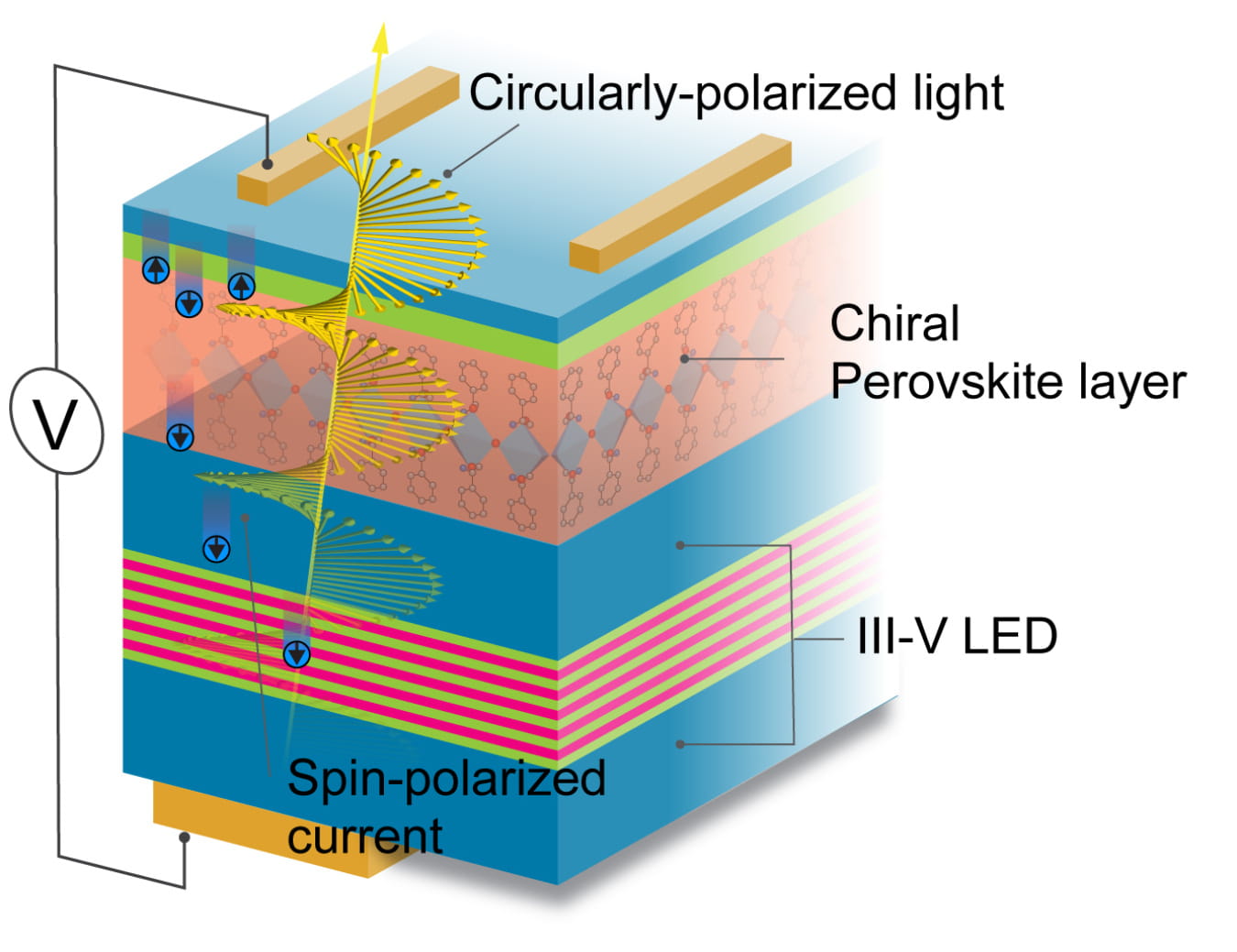
By combining a chiral semiconductor with an LED, scientists controlled the orientation of electron spin.
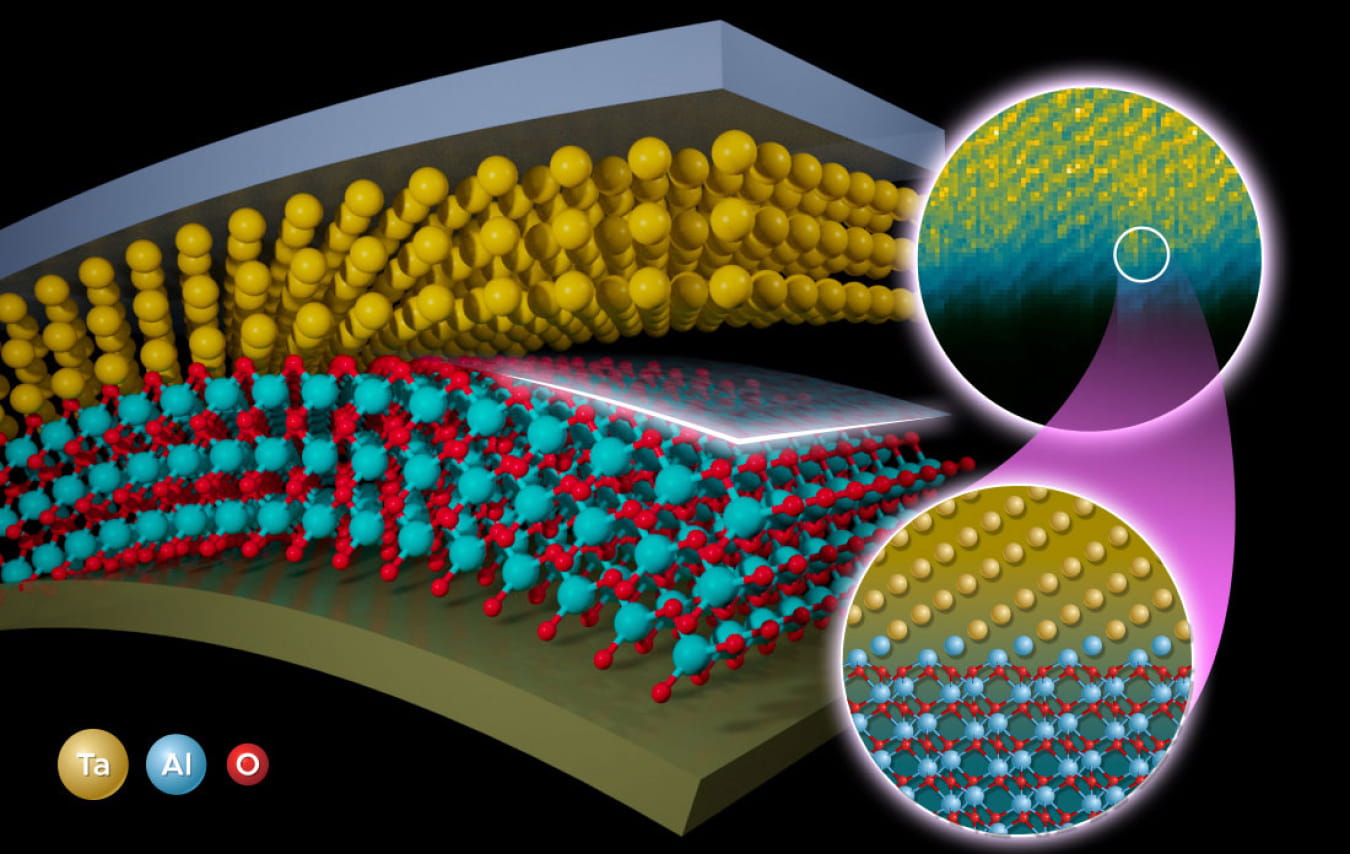
Researchers used a multimodal approach to determine the metal-substrate interface in a superconducting qubit material.

Discovery proves the existence of the mysterious Wigner crystal — an unusual kind of matter made entirely of electrons.

Although scientists conceived of Weyl fermions in 3D, researchers have observed their 2D equivalent in a monolayer film.

The 2D material cerium silicon iodide contains the same heavy electrons responsible for heavy fermion physics, something so far seen only in 3D materials.

Researchers have learned how to retain superconductivity at ambient pressure in a new class of high temperature superconductors.
