




Bennu’s Ancient Brine Sheds Light on Recipe for Life
Using the Advanced Light Source and Molecular Foundry, researchers identified the chemical stew found in samples of the asteroid Bennu.
Official websites use .gov
A
.gov website belongs to an official government organization in the United States.
Secure .gov websites use HTTPS
A
lock (
) or https:// means you’ve safely connected to
the .gov website. Share sensitive information only on official,
secure websites.
Using the Advanced Light Source and Molecular Foundry, researchers identified the chemical stew found in samples of the asteroid Bennu.

The Uncertainty Toolbox, a popular open-source library for uncertainty quantification and calibration, is a valuable tool for fusion and other research.

Researchers gain a new understanding of the binding chemistry of radioactive antimony, opening doors for targeted therapy.

Using DNA scaffolding, scientists developed a universal method for producing a wide variety of functional, 3D metallic and semiconductor nanostructures
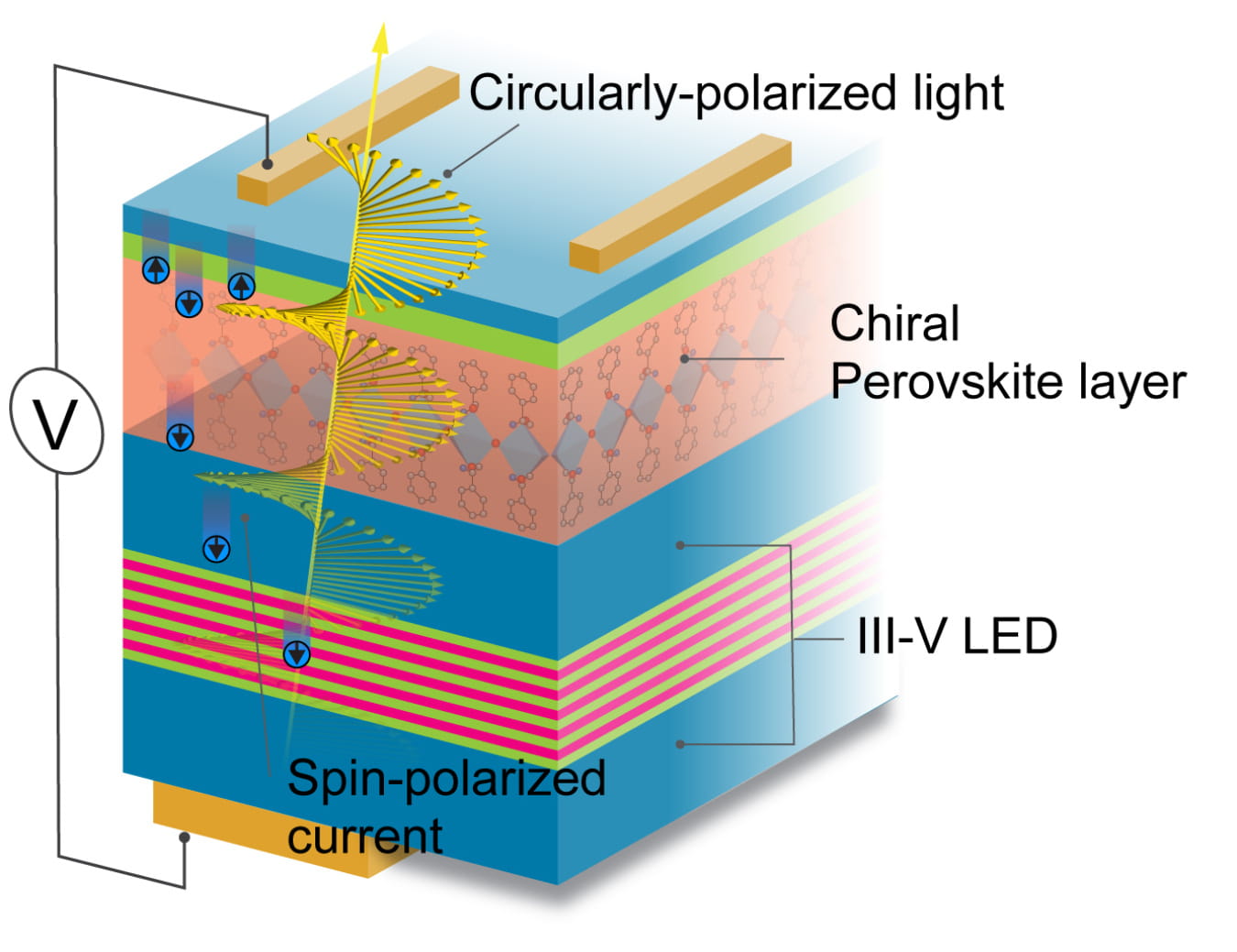
By combining a chiral semiconductor with an LED, scientists controlled the orientation of electron spin.
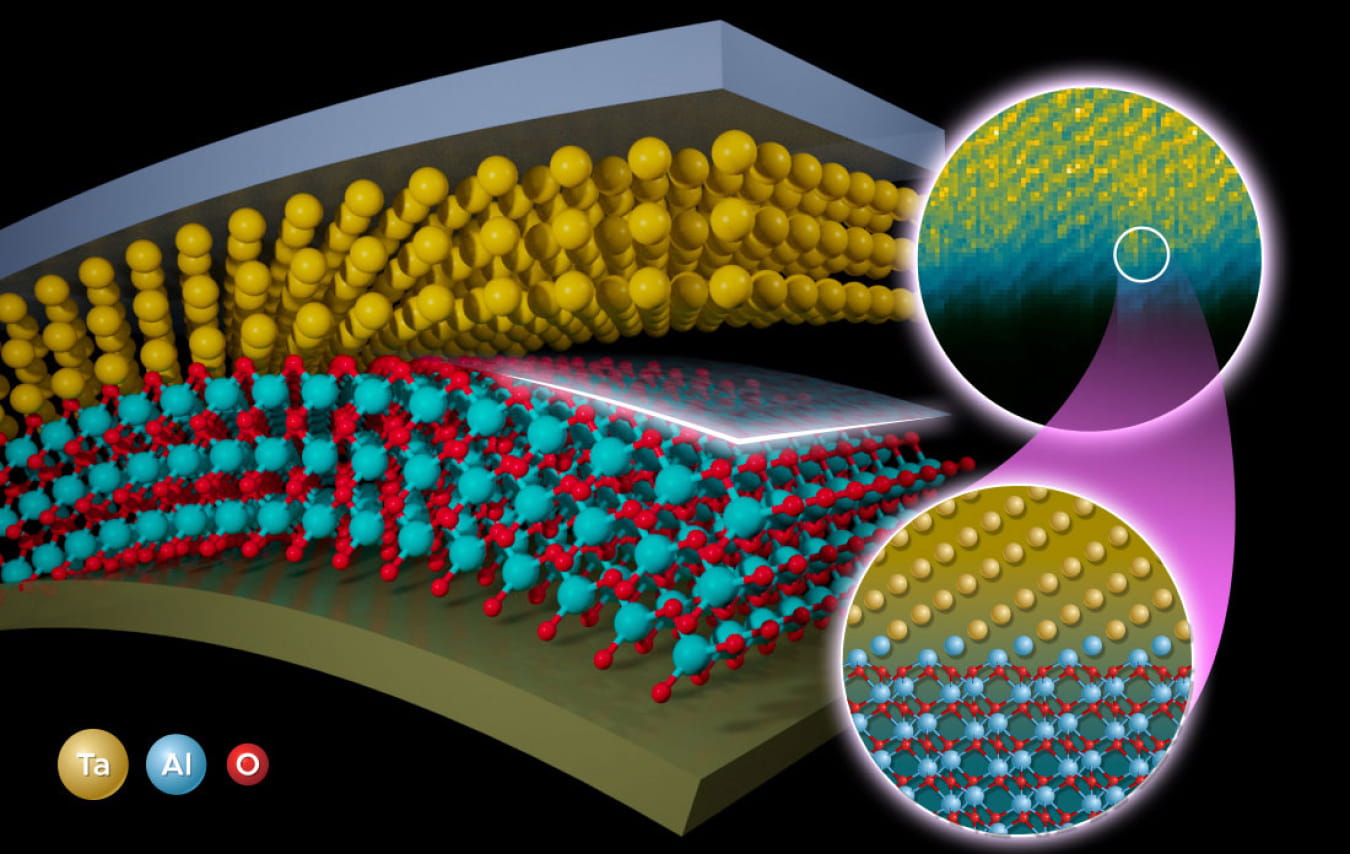
Researchers used a multimodal approach to determine the metal-substrate interface in a superconducting qubit material.

A new framework employs usage patterns to improve data placement.

Discovery proves the existence of the mysterious Wigner crystal — an unusual kind of matter made entirely of electrons.

Although scientists conceived of Weyl fermions in 3D, researchers have observed their 2D equivalent in a monolayer film.

Scientists uncover a hidden feature of protein translation in green algae, offering a new perspective on the basic rules of gene expression.

Study provides a framework for connecting genetic mechanisms and trait variation across diverse yeast species.

Researchers investigate the connections between Aspergillus species, demonstrating their usefulness for producing biofuels and bioproducts.
