




Demonstrating Unprecedented Control of X-ray Pulses
Researchers have used an undulator’s magnetic field to generate and control ultrafast X-ray pulses.
Official websites use .gov
A
.gov website belongs to an official government organization in the United States.
Secure .gov websites use HTTPS
A
lock (
) or https:// means you’ve safely connected to
the .gov website. Share sensitive information only on official,
secure websites.
Researchers have used an undulator’s magnetic field to generate and control ultrafast X-ray pulses.

Using the Advanced Light Source and Molecular Foundry, researchers identified the chemical stew found in samples of the asteroid Bennu.

Researchers gain a new understanding of the binding chemistry of radioactive antimony, opening doors for targeted therapy.

Using DNA scaffolding, scientists developed a universal method for producing a wide variety of functional, 3D metallic and semiconductor nanostructures
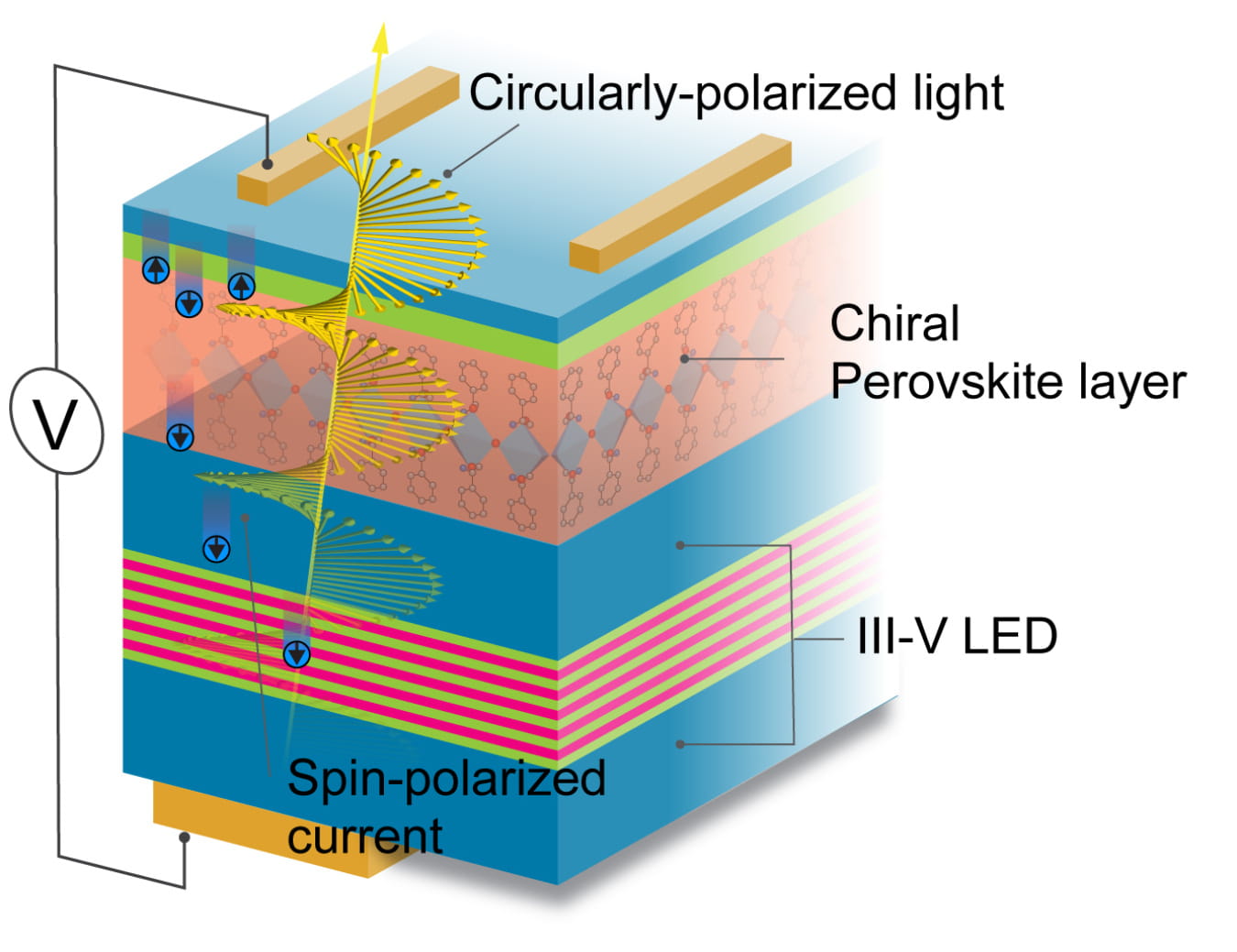
By combining a chiral semiconductor with an LED, scientists controlled the orientation of electron spin.
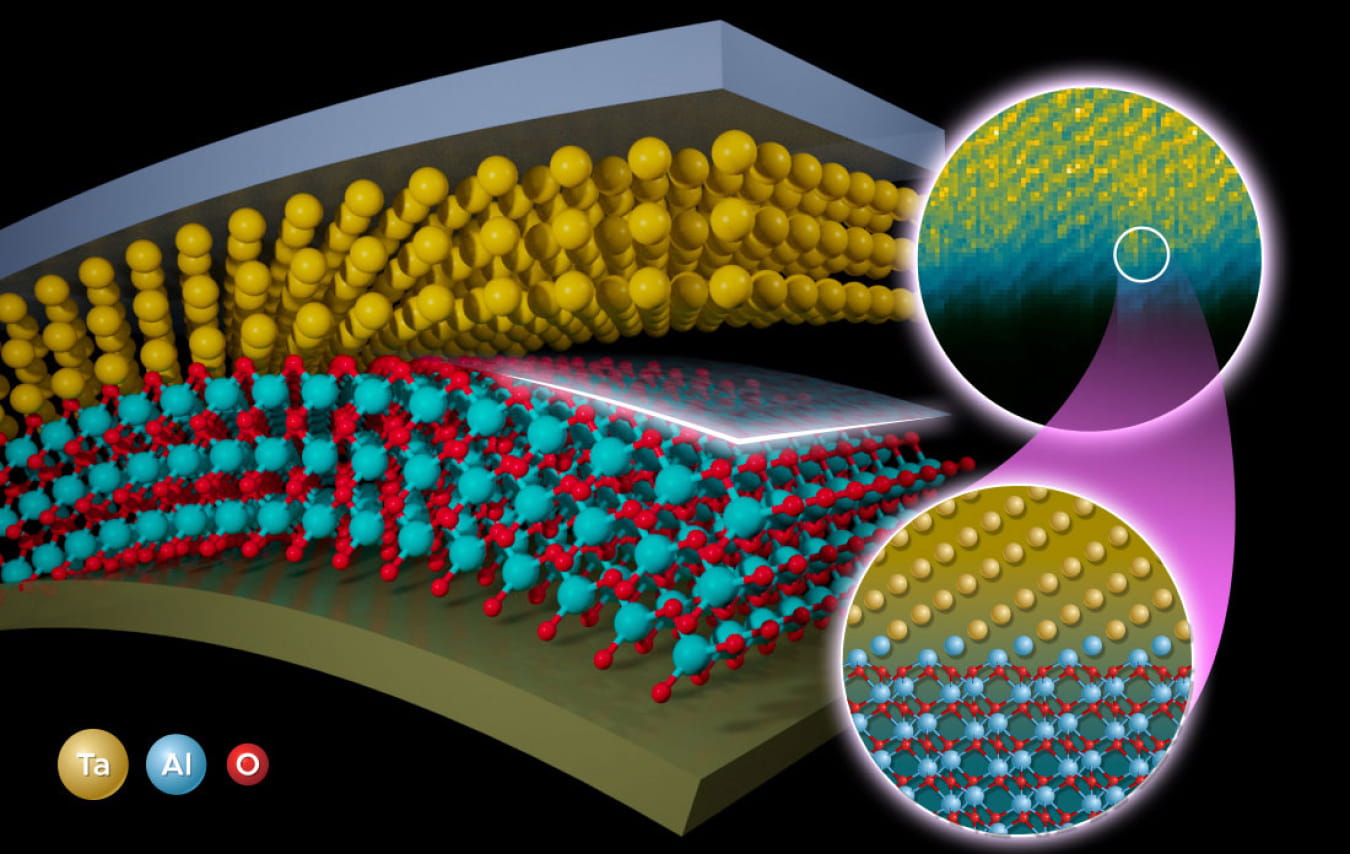
Researchers used a multimodal approach to determine the metal-substrate interface in a superconducting qubit material.

A new framework employs usage patterns to improve data placement.

Researchers investigate the connections between Aspergillus species, demonstrating their usefulness for producing biofuels and bioproducts.

A new approach accelerates how quickly scientists can identify genes involved in environmental acclimation and understand bacterial stress.

A fast, automated, and high-throughput pipeline is improving the speed of plant engineering

Researchers validate a new workflow for plasma transport models, aiding future fusion device design.

Researchers propose a new approach to modeling adsorption processes that affect how pollutants move through soil, water, and rock.
