
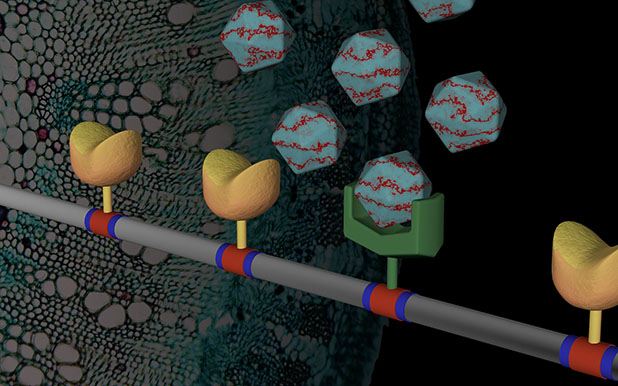
How Fungal Enzymes Break Down Plant Cell Walls
Lignocellulose-degrading enzyme complexes could improve biofuel production.
Lignocellulose-degrading enzyme complexes could improve biofuel production.
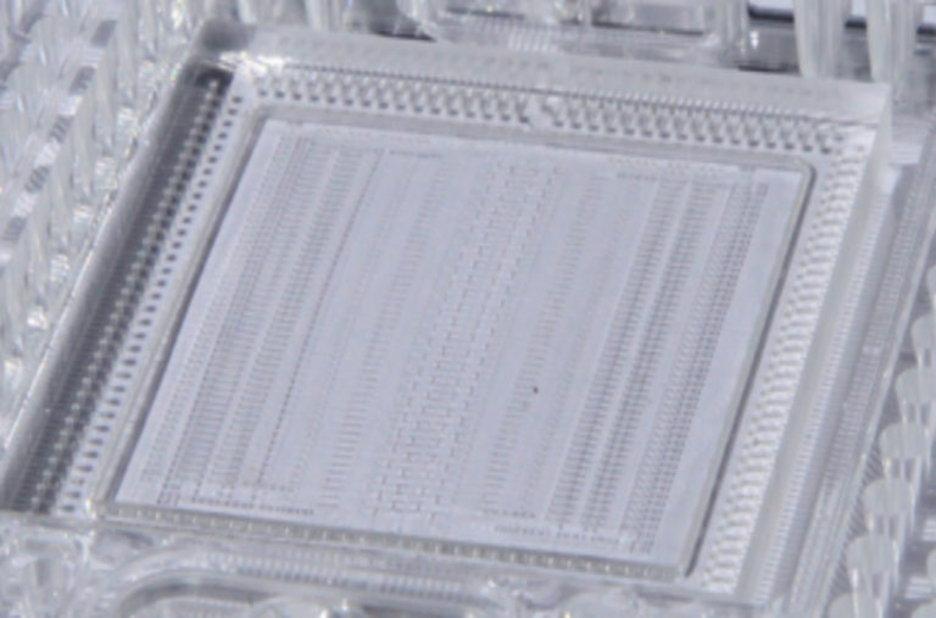
Demonstrating the microfluidic-based, mini-metagenomics approach on samples from hot springs shows how scientists can delve into microbes that can’t be cultivated in a laboratory.
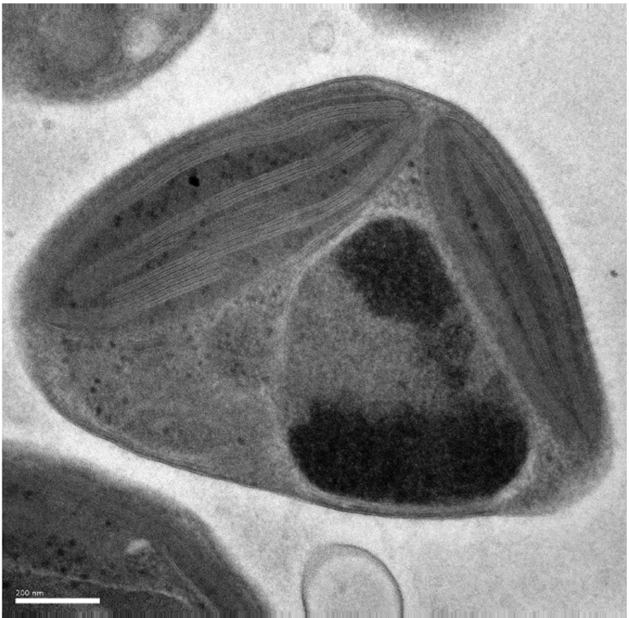
First complete picture of genetic variations in a natural algal population could help explain how environmental changes affect global carbon cycles.
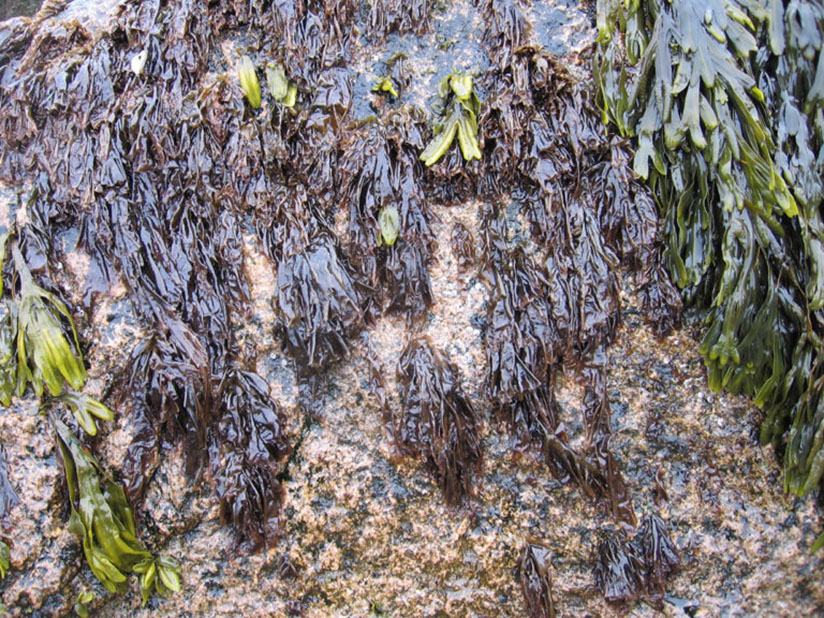
The genetic material of Porphyra umbilicalis reveals the mechanisms by which it thrives in the stressful intertidal zone at the edge of the ocean.
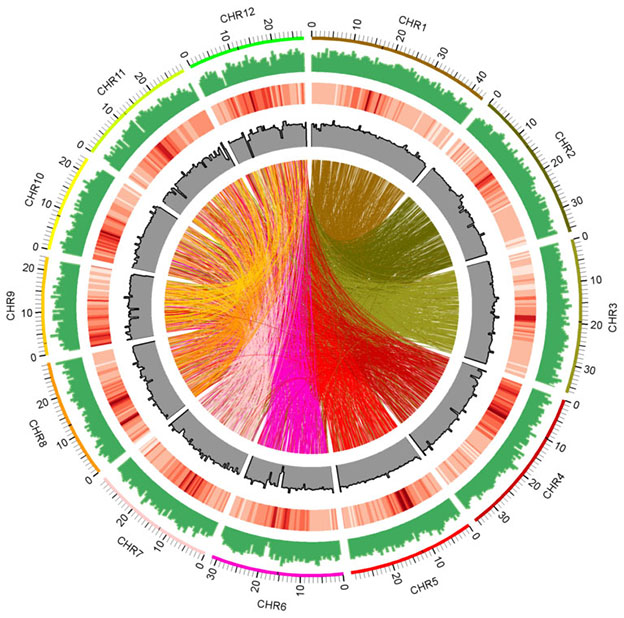
Genome-wide rice studies yield first major, large-scale collection of mutations for grass model crops, vital to boosting biofuel production.
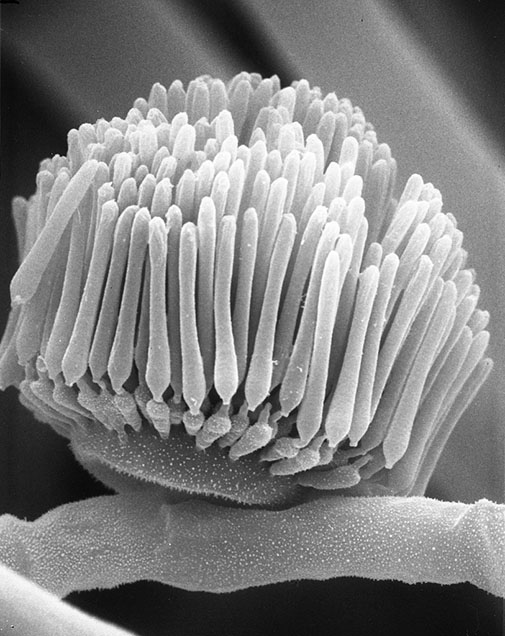
Specific modifications to fungi DNA may hold the secret to turning common plant degradation agents into biofuel producers

Research reveals that giant viruses acquire genes piecemeal from others, with implications for bioenergy production and environmental cleanup.
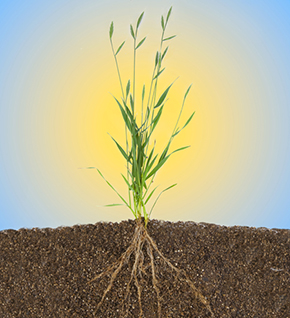
Researchers find a grass gene affecting how plants manage water and carbon dioxide that could be useful to growing biofuel crops on marginal land.

These enhanced tools will accelerate gene discovery and characterization, vital for new forms of fuel production.

Researchers discover the first CRISPR-Cas9 system in archaea, which may enable new technologies for biological research.
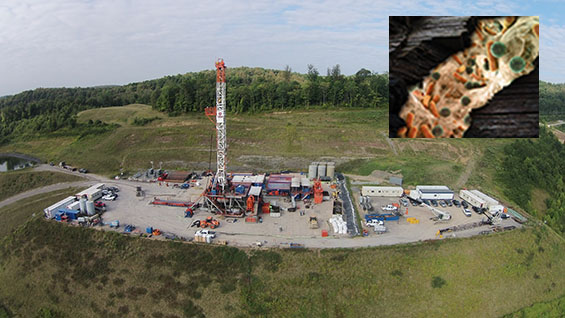
For the first time, scientists analyzed the genetic material of surface microbes that are colonizing the deep subsurface, where they are adapting and thriving.

New model reveals the significant role of microbes in oceanic nutrient and energy.
