
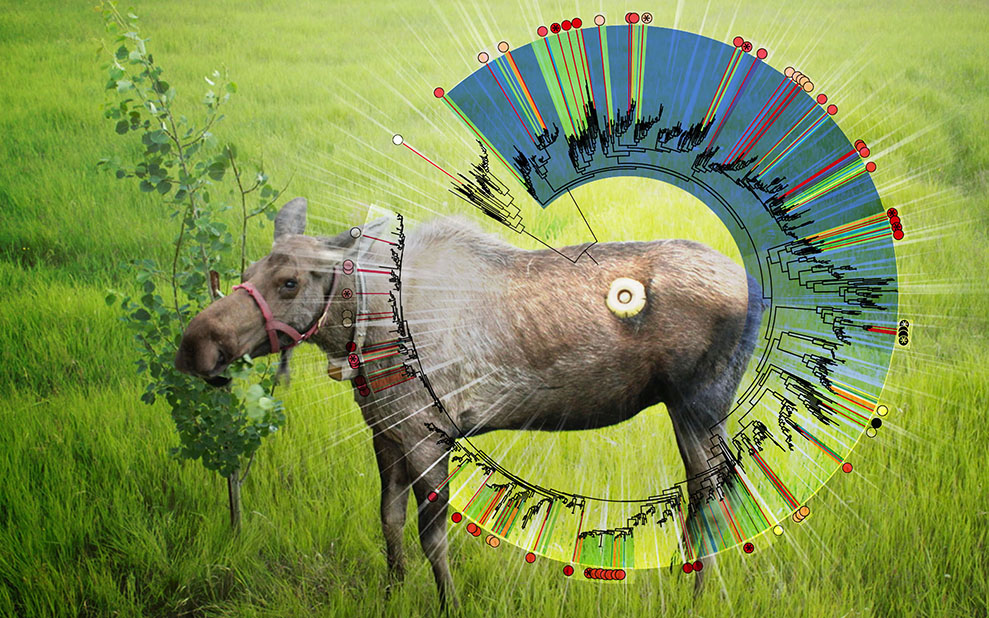
Sampling Guts of Live Moose to Understand How They Break Down Biomass
First-of-a-kind study advances understanding of microbial and viral communities involved in biomass breakdown.
First-of-a-kind study advances understanding of microbial and viral communities involved in biomass breakdown.
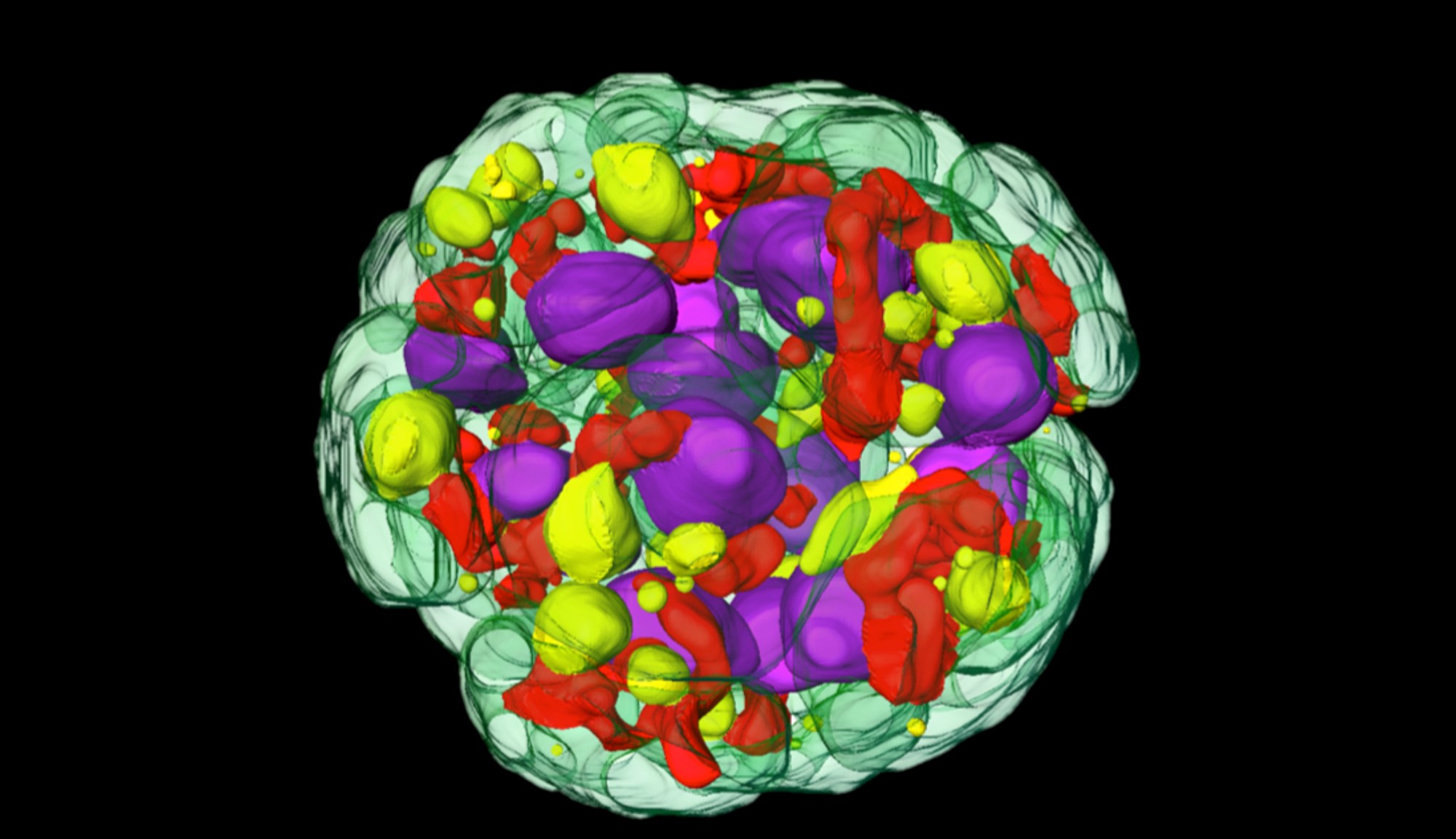
Adding glucose to a green microalga culture induces accumulation of fatty acids and other valuable bioproducts.
Read more about Feeding Sugars to Algae Makes Them Fat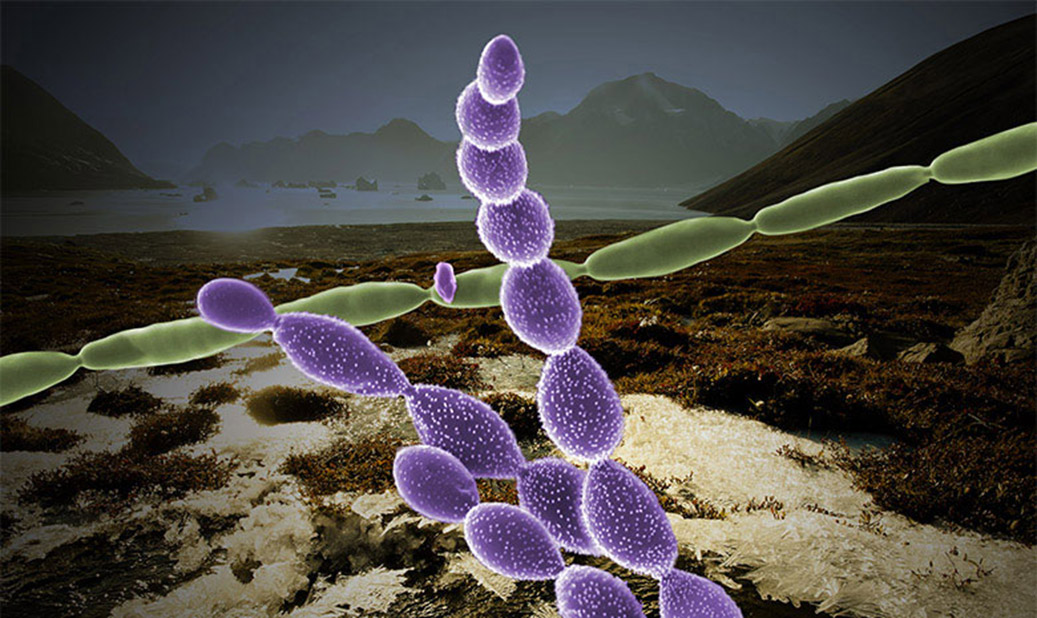
Recovery of more than 1500 microbial genomes shines light on how carbon is metabolized as permafrost thaws.
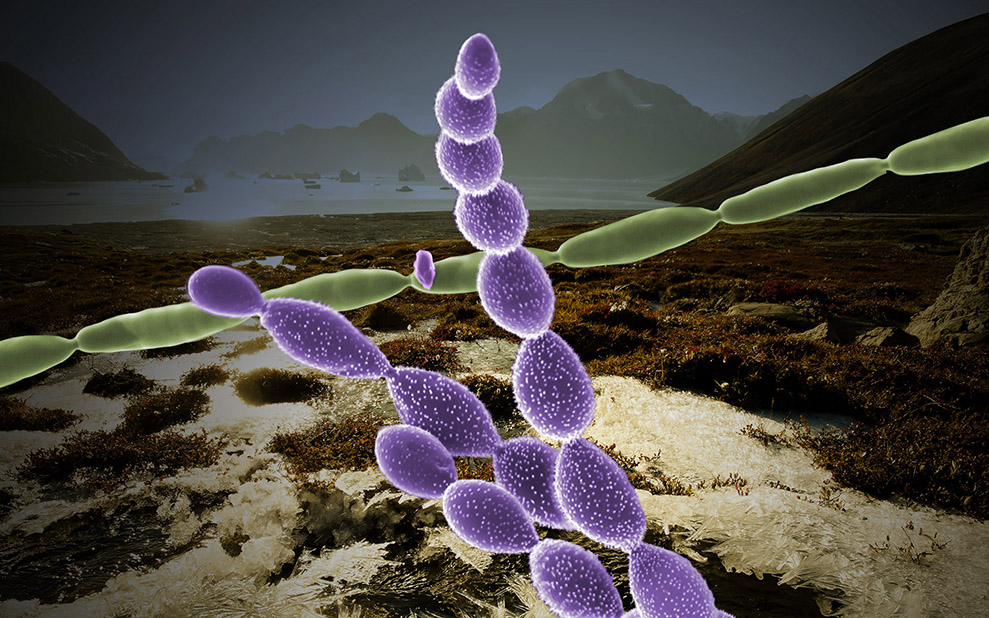
Scientists discover key types of microbes that degrade organic matter and release carbon dioxide and methane into the atmosphere.
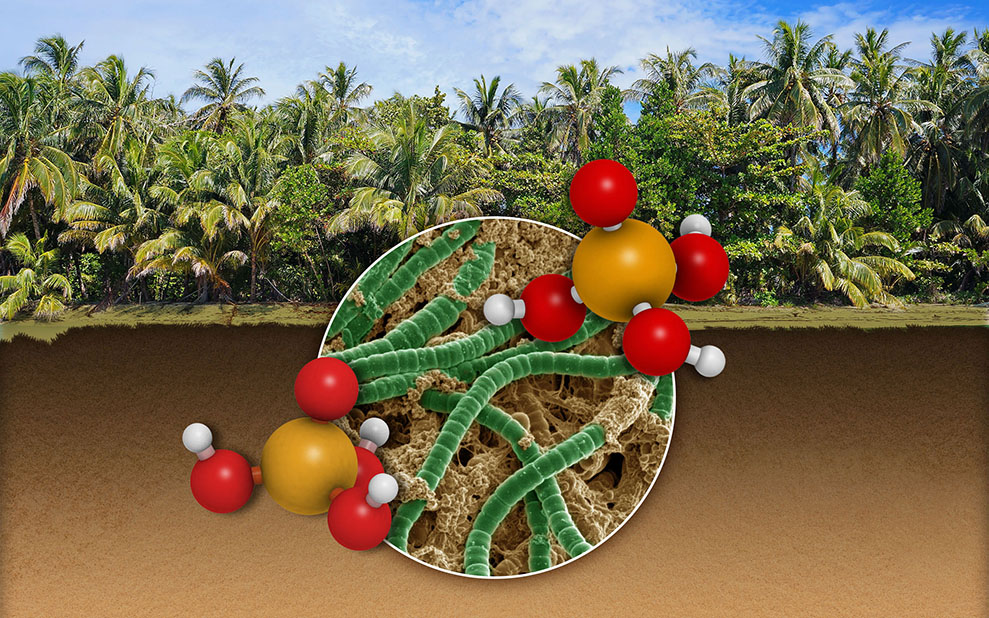
How microbial communities adjust to nutrient-poor soils at the genomic and proteomic level gives scientists insights into land use.
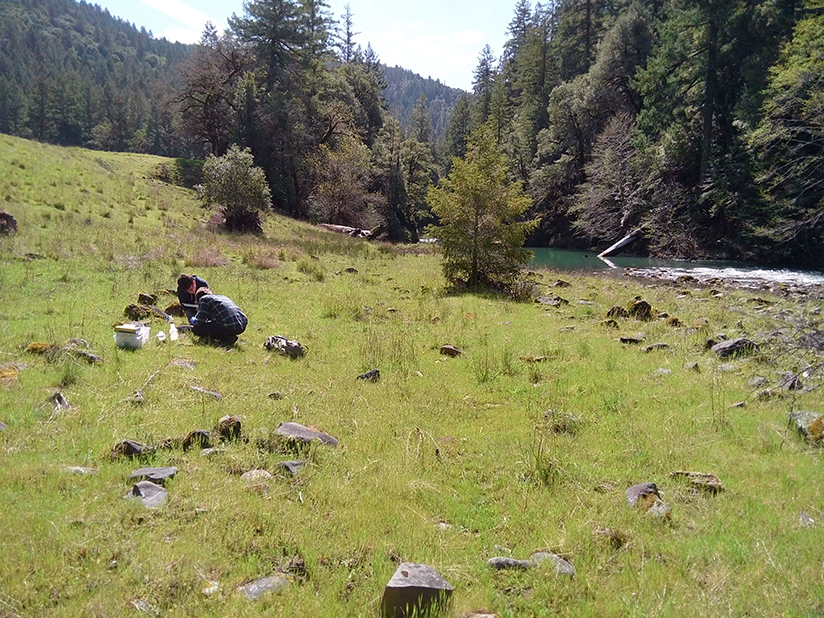
A large-scale soil project uncovered genetic information from bacteria with the capacity to make specialized molecules that could lead to new pharmaceuticals.
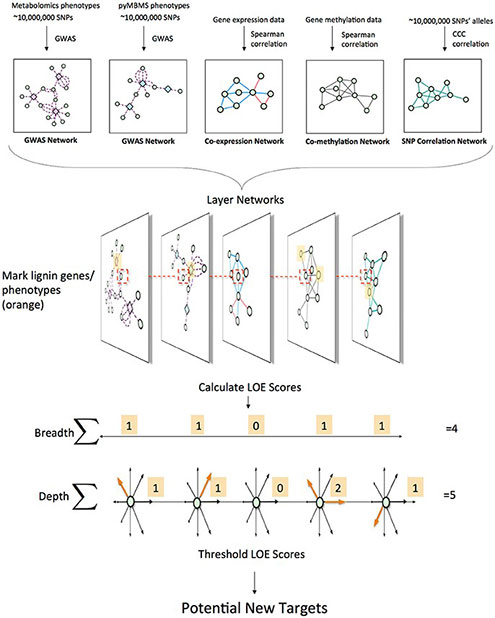
Systems biology leads the way to exascale computing on Summit supercomputer.
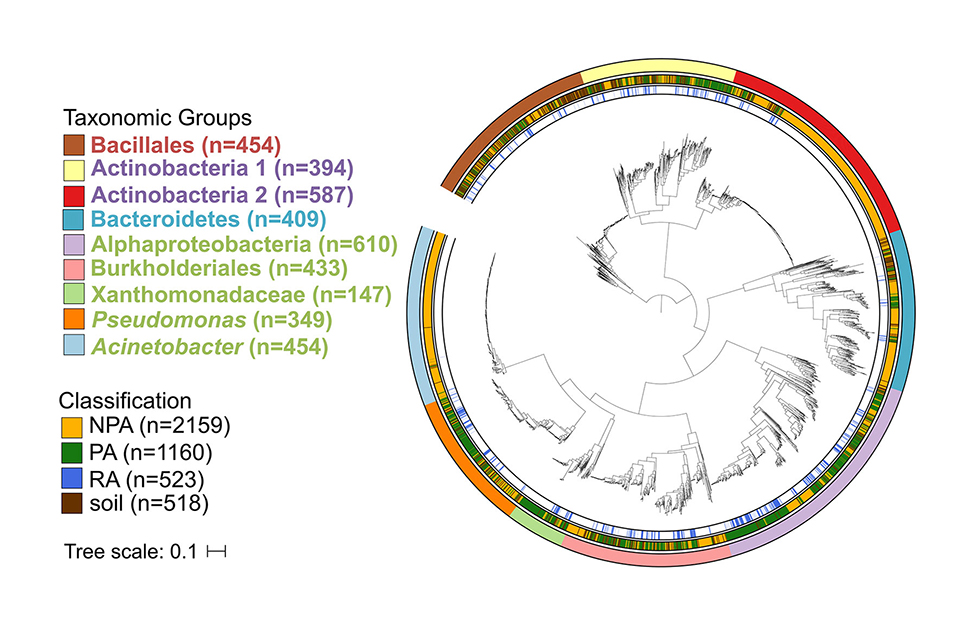
Catalog of candidate genes involved in plant-microbe relationships.
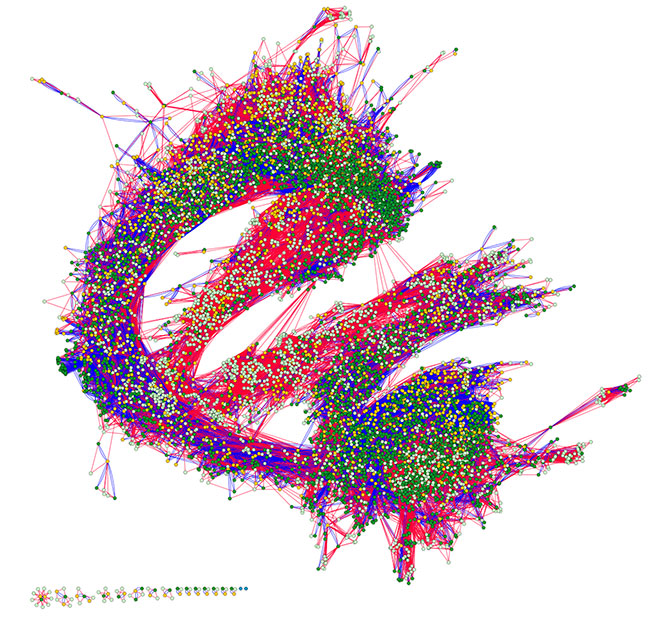
Researchers develop a method of identifying gene expression patterns in drought-resistant plants.
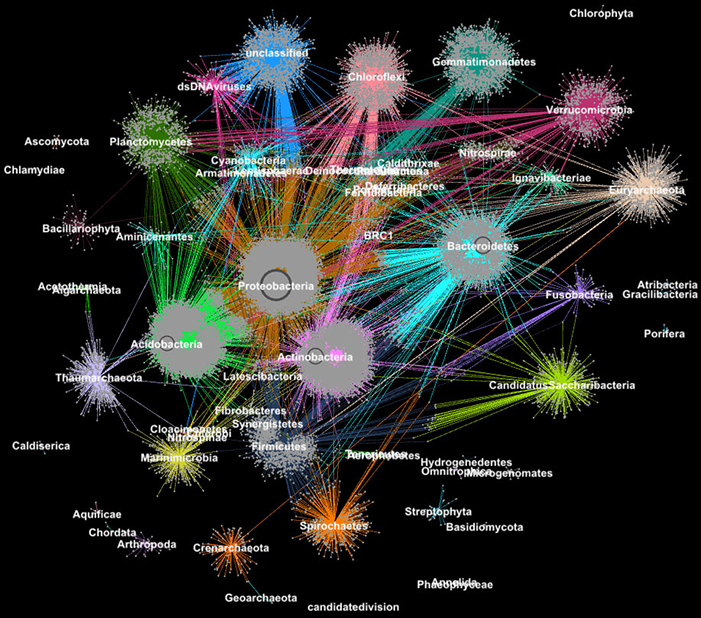
New algorithm lets biologists harness massively parallel supercomputers to make sense of a “data deluge.”
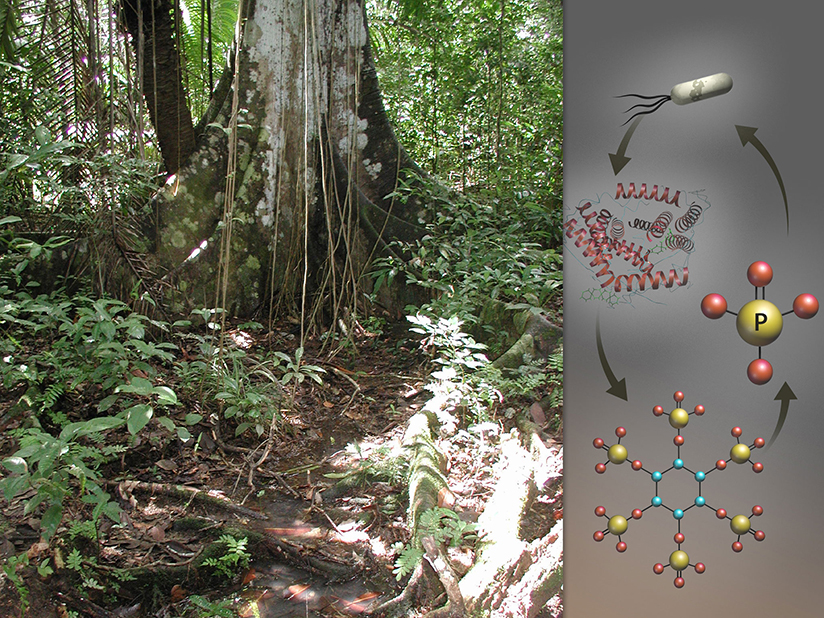
High-performance computing reveals the relationship between DNA and phosphorous uptake.
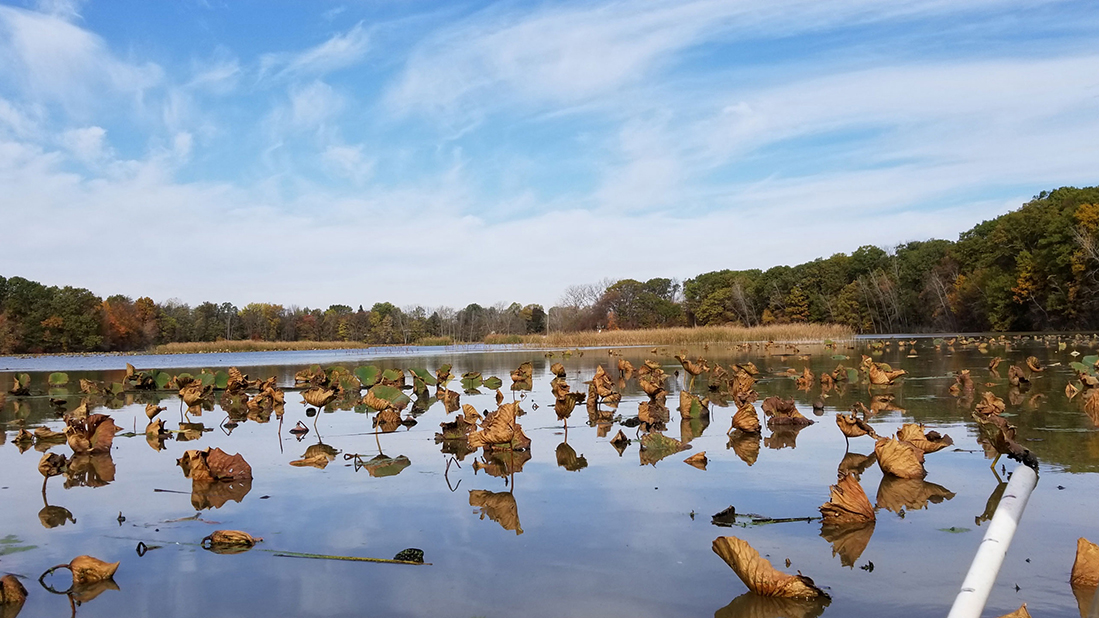
Global models may be underestimating net wetland methane emissions.
